query_builderDevaluation of Brazilian currency creates new challenges for importers
All News
->All Brazil News
Published: 6/29/2018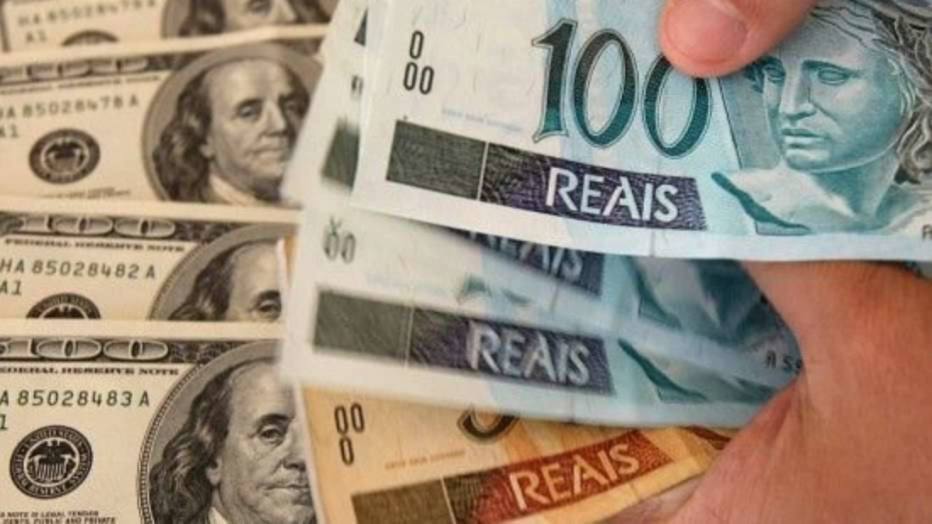
The apparent reversal of the general downtrend of US dollar, experienced since the beginning of 2017, has raised a yellow flag among Brazilian traders. In the first two weeks of May, the dollar index climbed 3.43 percent against other currencies from major economies such as the Eurozone and Japan. The strengthening of US dollar hit the Brazilian economy hard.
On April 1st, US dollars were traded at nearly BRL 3.30. In May 1st it was already soaring to BRL 3.50 and reached BRL 3.87 on June 7th, the largest rate within two years. Political instability and the uncertainty on presidential elections to be held in October didn’t help to control the devaluation of the Brazilian currency.
The results led the president of Brazil’s Central Bank, Mr. Ilan Goldfajn, to announce new measures to keep US dollar under an acceptable range. In June, the Central Bank used currency swap line, a temporary reciprocal currency arrangement, to inject US dollars into Brazilian economy. A stronger dollar benefits the exports of Brazilian goods abroad, but in a long-term, it can damage economic sectors that rely on the import of industrial inputs, such as ITC, machinery & equipment and chemical industry.
The uncertainty about the future of Brazilian currency also harms Brazilian consumers, as foreign products get more expensive and new imports are being postponed, especially by small and medium-sized importers, with less capacity to cope with US dollar fluctuations.
A strong dollar may also impact the optimistic forecasts for Brazilian imports. From January to April, the country imported US$ 56.2 billion in FOB value, an increase of 20.2% in comparison to the same period of 2017. The purchase of capital and ITC goods grew 36.2%, driven by the release of new ex-tariff fiscal benefits during the first quarter of 2018. Imports of consumer goods increased by 12.2%.
In May, the imports still presented a remarkable 9.3% growth as compared to the previous year, but specialists say the real effects of a stronger US dollar will only be measured when the Ministry of Industry, Foreign Trade and Services release the results of June.
In the meantime, Brazilian importers are looking for solutions to cope with currency fluctuation. Bonded warehousing is one of the preferred options as it permits the importer to clear customs gradually and fractionated. This alternative maintains tax collection suspended until each sale is concluded, avoiding complete uncapitalization of the operation.
Source: Agência Brasil
-
No Attachments